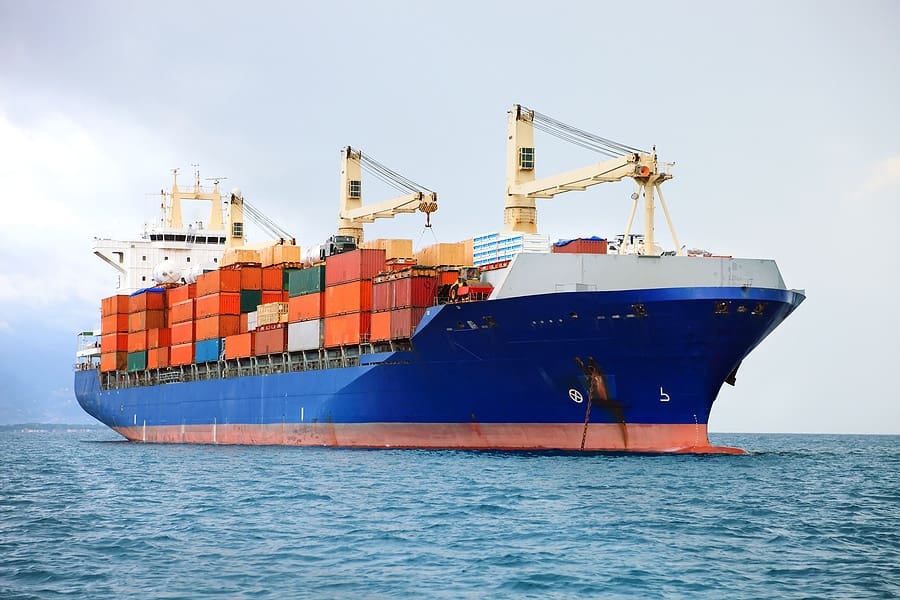
The three disputed islands in the Strait of Hormuz—Abu Musa, Greater Tunb, and Lesser Tunb—hold significant geopolitical importance. Located at a strategic juncture through which approximately 20% of the world’s oil passes, these islands are crucial for regional security and energy trade. Control over these islands allows for oversight of maritime navigation, influencing not only national interests but also global markets.
Iran currently occupies the islands, which has led to tensions, especially with the United Arab Emirates (UAE), which claims sovereignty over them. This dispute complicates diplomatic relations and stability in an already volatile region. The islands also serve as potential military outposts, allowing for the projection of power and influence in the Gulf, which is key for Iran’s defense strategy against perceived threats.
Additionally, the islands are rich in resources and offer strategic military advantages. Their proximity to vital shipping lanes means that any conflict over them could disrupt oil supplies and lead to rising prices, affecting economies worldwide. Consequently, the fate of these islands is not merely a regional issue but one with global implications, entwining energy security, international trade, and ongoing territorial disputes that need careful diplomatically navigated resolutions.
For more details and the full reference, visit the source link below: