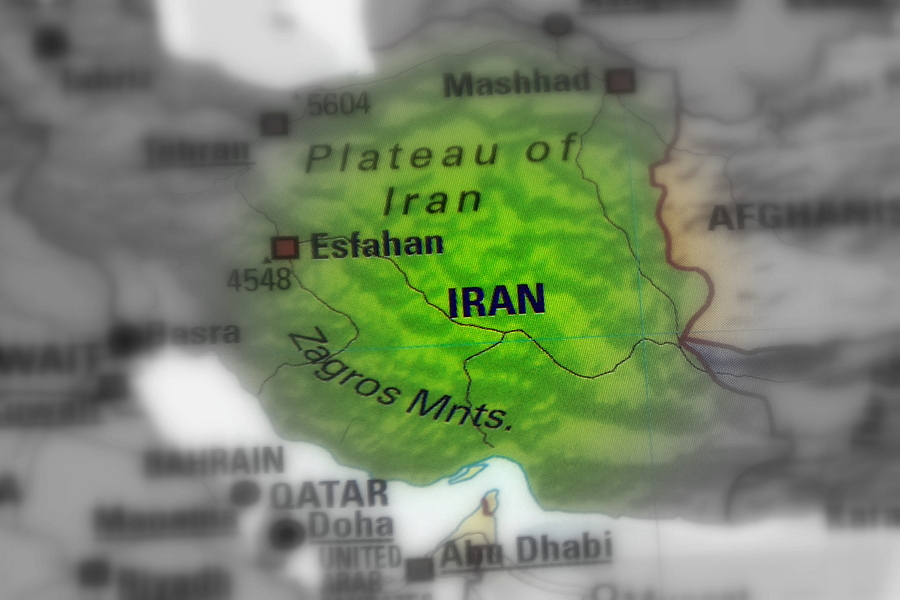
For four decades, geopolitical tensions in the Middle East have been markedly influenced by conflicts, particularly involving Iran and its neighbors. The long-standing ideological divisions have often manifested through military confrontations and proxy wars, straining international relations and regional stability. Maritime chokepoints, such as the Strait of Hormuz and the Bab el-Mandeb, play crucial roles in global trade and energy supply. These narrow passages, vital for oil transportation, have often been flashpoints for conflict, heightening global anxieties about potential blockades or military escalations.
In 2015, the Joint Comprehensive Plan of Action (JCPOA) emerged as a landmark nuclear agreement aimed at curbing Iran’s nuclear ambitions in exchange for sanctions relief. This deal marked a significant diplomatic breakthrough, symbolizing the complex interplay of conflict resolution and international diplomacy. While the agreement initially led to a temporary thaw in relations, its fate has been fraught with uncertainty, especially following the U.S. withdrawal in 2018. The reimposition of sanctions escalated tensions, impacting not only Iran but also regional powers and global oil markets.
These ongoing dynamics highlight the intricate relationship between decades of conflict, strategic maritime routes, and international diplomacy, underscoring the challenges and imperatives of achieving lasting peace in a volatile region.
For more details and the full reference, visit the source link below: